
Conference Speakers
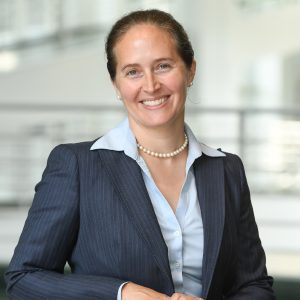
Heather Payne
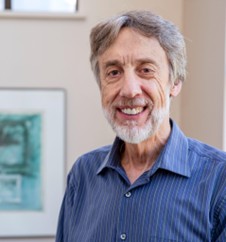
Steven Weissman
Steve Weissman is a lecturer at UC Berkeley’s Goldman School of Public Policy, as well as the co-founder and former Director of the Energy Law program at Berkeley Law, where he taught numerous energy law and policy courses. He has also taught at Stanford Law, Vermont Law, and Lewis and Clark. As a Fulbright Scholar, he taught at Universitat Rovira I Virgili Law School in Tarragona, Spain. He came to UC Berkeley from the California Public Utilities Commission where he was an administrative law judge as well as policy and legal advisor to three different commissioners. He is an environmental mediator and a former Principal Consultant to the California Assembly Committee on Natural Resources.
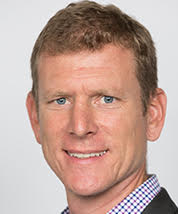
Felix Mormann
Felix Mormann is Professor of Law and Chancellor EDGES Fellow at Texas A&M University School of Law. Professor Mormann’s research interests lie at the intersection of law and innovation in the context of environmental and energy law and policy. Mormann is an elected member of the American Law Institute. His research has been published in leading law reviews as well as Nature Climate Change and Nature Sustainability, among other peer-reviewed publications. Prior to joining Texas A&M, Professor Mormann served on the faculty of University of Miami School of Law and as Faculty Fellow at Stanford Law School. In the private sector, Mormann worked as a corporate and energy lawyer for some of Germany’s premiere law firms. As a management consultant for McKinsey & Company, he advised international clients in the firm’s high-tech practice.
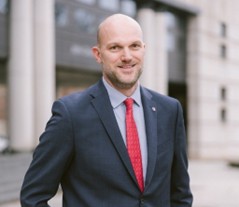
Lincoln Davies
Davies is an internationally recognized expert in energy law and policy. His research has been sponsored by the U.S. Department of Energy, the South Korean government, the Brookings Institution, and the Alfred P. Sloan Foundation, among others. He is coauthor of one of the nation’s leading energy law textbooks. He was a McCloy Fellow (2012) and the Elizabeth Evatt Distinguished Fellow at the University of Sydney (2024). He served as the 20th Dean of The Ohio State University Moritz College of Law. He is on the law faculty at the University of Utah, where he is Executive Director for Energy, Resource, and Environment Programs and Co- Director of the Wallace Stegner Center.
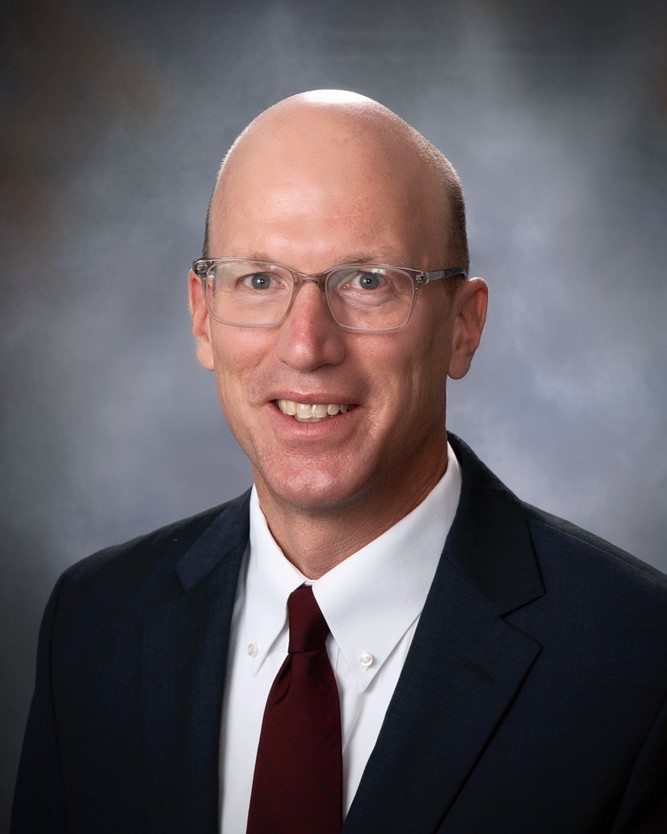
Todd Aagaard
Todd Aagaard joined the Villanova Law faculty in 2008. His teaching and scholarship focus on the fields of environmental law, energy law, and administrative law. In addition, he is a co-author of Practicing Environmental Law, a practice-based environmental law casebook published by Foundation Press, and a visiting fellow at Resources for the Future, a nonpartisan environmental economics think tank.
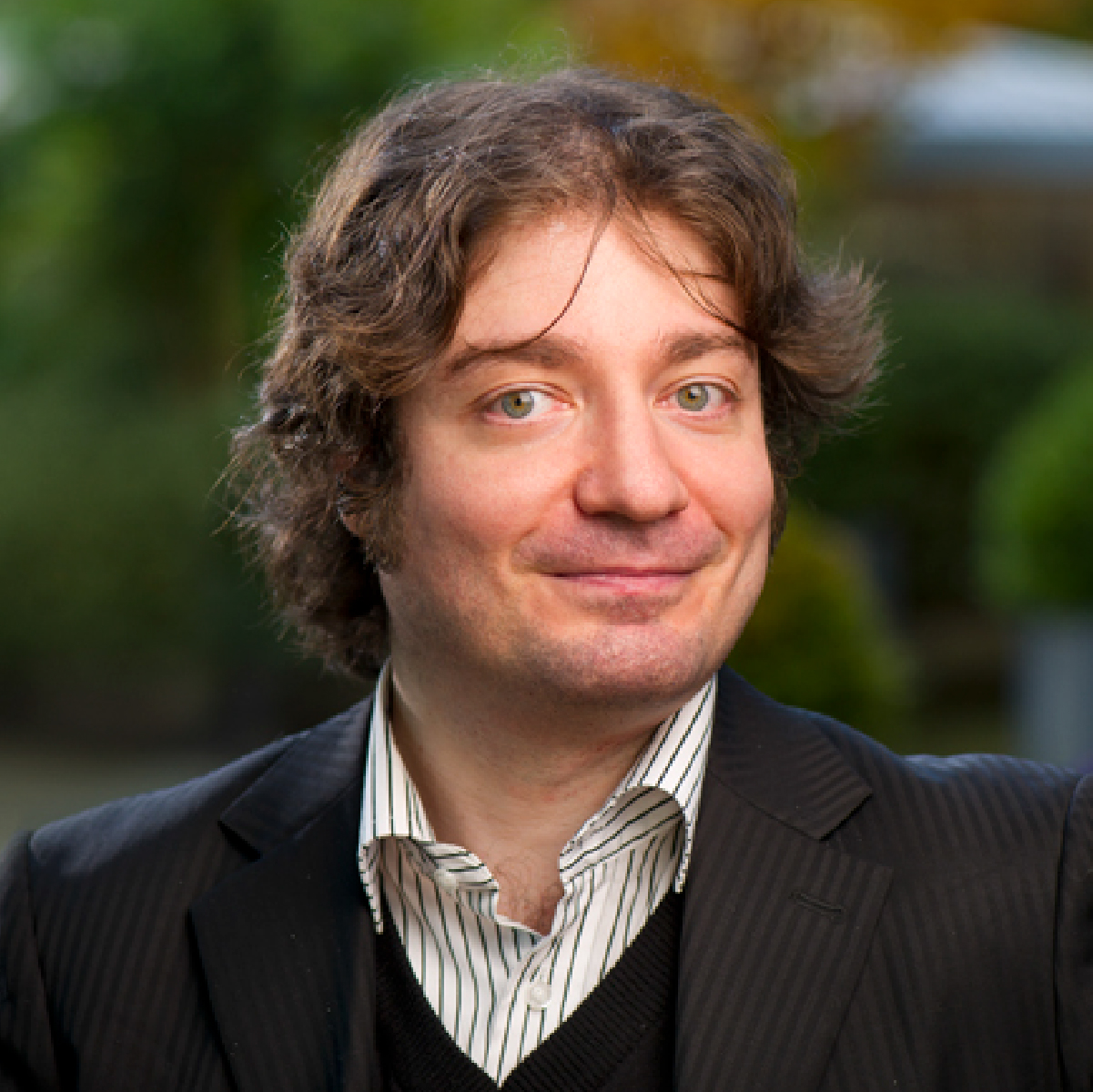
Paolo Farah
Professor Paolo Davide Farah, University of Tulsa College of Law, is an interdisciplinary legal scholar whose research and teaching explore the intersections of law, public policy and public administration focusing on sustainable development, climate change, energy and environmental justice, international trade, intellectual property law, technology and human rights.
Dr. Farah has been a professor of law and a professor of public policy and public administration (with tenure) at numerous universities in the United States, Europe, Asia and the Middle East for more than twenty years. He is founder and president of gLAWcal – Global Law Initiatives for Sustainable Development and has held academic and research appointments at institutions including Georgetown University Law Center, Harvard Law School and Beijing Foreign Studies University.
Farah’s scholarship includes more than 100 publications and spans nine books and more than 60 peer-reviewed articles, law review articles and book chapters with leading publishers such as Oxford University Press, Cambridge University Press, Taylor & Francis (Routledge Publishing), Edward Elgar, Springer, Elsevier and Palgrave MacMillan, as well as several publications in foreign languages.
He has published in several U.S. law reviews, including the Arizona State Law Journal, Oregon Law Review, Connecticut Law Review, West Virginia Law Review, UMKC Law Review, University of Pittsburgh Law Review, Duke Environmental Law and Policy Forum, Columbia Journal of Asian Law, Brooklyn Journal of International Law and the Georgetown Environmental Law Review.
Farah has presented his research at over 250 international conferences, organized and led more than 60 international conferences, symposia and other scholarly events, and serves as editor for several global book series on law, governance and sustainability.
He has coordinated and led as principal investigator or major co-principal investigator externally funded research grants for an overall amount of $2 million.
He was an international consultant and legal advisor for projects implemented for the United Nations Development Program, for the Italian Ministry of Economic Development and Commerce and for the OECD. He has previously worked in the Legal Affairs Division of the World Trade Organization in Geneva, and was an associate lawyer of Baker & McKenzie Law Firm.
Farah graduated with a J.D. in international and European law from Paris Ouest La Defense Nanterre University (France), LLM in European legal studies from the College of Europe in Bruges (Belgium) and a dual Ph.D. in international law from Aix-Marseille University (France) and University of Milan (Italy). For more information:
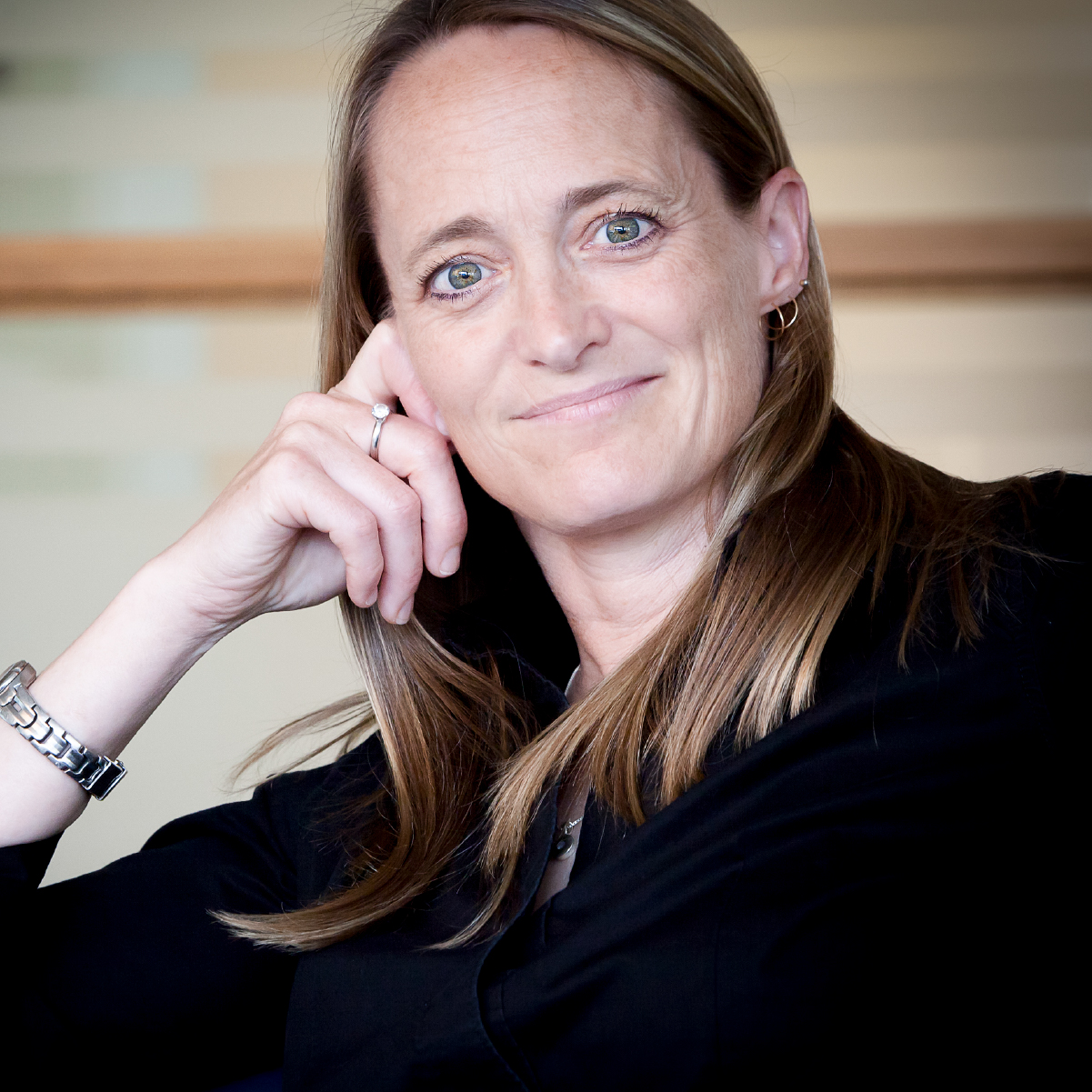
Cherie Metcalf
Cherie Metcalf is Associate Dean (Research) and Professor at Queen’s Faculty of Law. Her research includes environmental and resource law and policy, especially intersections with Indigenous rights. She often uses empirical methods and interdisciplinary approaches. Her recent work relates to climate change and the role played by different institutions in advancing fair and effective climate action (funded by SSHRC, CFLR). Another project examines legal “culture” in Canada and the US and the comparative role of private litigation to enforce public regulation (funded by SSHRC). She has published in the Northwestern University Law Review, Maryland Law Review, International Review of Law & Economics, Canadian Public Policy (twice winning the Vanderkamp best paper prize), University of Toronto Law Journal, and Journal of Empirical Legal Studies and regularly presents in Canada and the US. She has been an invited visitor at the University of Colorado Faculty of Law & Institute of Behavioral Sciences Institutions Program, and Vancouver School of Economics at UBC. She obtained her BA (Hons) from Queen’s, an MA and PhD (Econ) from UBC, her JD from Queen’s and LLM from Yale on a Fulbright. Before joining Queen’s Faculty of Law, she clerked at the Canadian Federal Court of Appeal and at the Supreme Court of Canada for former justice Ian Binnie. Her teaching includes public & constitutional law, law & economics, and international environmental & resource law.
K.K. DuVivier
After four years as the first woman exploration geologist worldwide for a French mineral company, K.K. DuVivier attended law school and then went into practice in natural resources law with the firms of Sherman & Howard and Arnold & Porter.
She later worked as an Assistant City Attorney for the City and County of Denver and as the Reporter of Decisions for the Colorado Court of Appeals. Professor DuVivier started full-time teaching at the University of Colorado School of Law (CU Law) in 1990, and she joined the faculty at University of Denver Sturm College of Law (DU) in 2000 where she currently is the John A. Carver Chair in Natural Resources Law. Professor DuVivier served as the Director of DU’s Lawyering Process and of its Environmental and Natural Resources Law Programs.
In addition to law courses, Professor DuVivier has taught interdisciplinary courses and received a National Science Foundation award to partner with an atmospheric scientist and an economist to address wind farm impacts. In addition to her teaching at DU, she is currently teaching Energy Law & Regulation as an adjunct at CU Law, and she has taught other energy and renewable energy courses as a visiting professor at Lewis & Clark Law School and at the University of Houston Law Center as well as.
Professor DuVivier has authored numerous articles and book chapters as well as being sole author of two books: The Renewable Energy Reader (Carolina Academic Press 2011) and Energy Law Basics (Carolina Academic Press 2017), and as co-author for an interdisciplinary work published in NATURE ENERGY on November 26, 2018: Costs and consequences of wake effects arising from uncoordinated wind energy development, J. K. Lundquist, K. K. DuVivier, D. Kaffine, J. M. Tomaszewski, NATURE ENERGY: https://rdcu.be/bb0aS.
Professor DuVivier currently serves as a liaison for Citizens Climate Lobby, coordinates the Colorado Solar and Storage Coalition, and serves on the International Advisory Board of the Sustainable Development Strategies Group. Her previous home in Denver won the Colorado Renewable Energy Society’s “Renewable Energy and Sustainable Design in Buildings” Award for the Residential-New Construction category in 2012 and achieved net positive energy without a furnace, and in 2023, she completely electrified her current 1968 house in Boulder.
Steven Ferrey
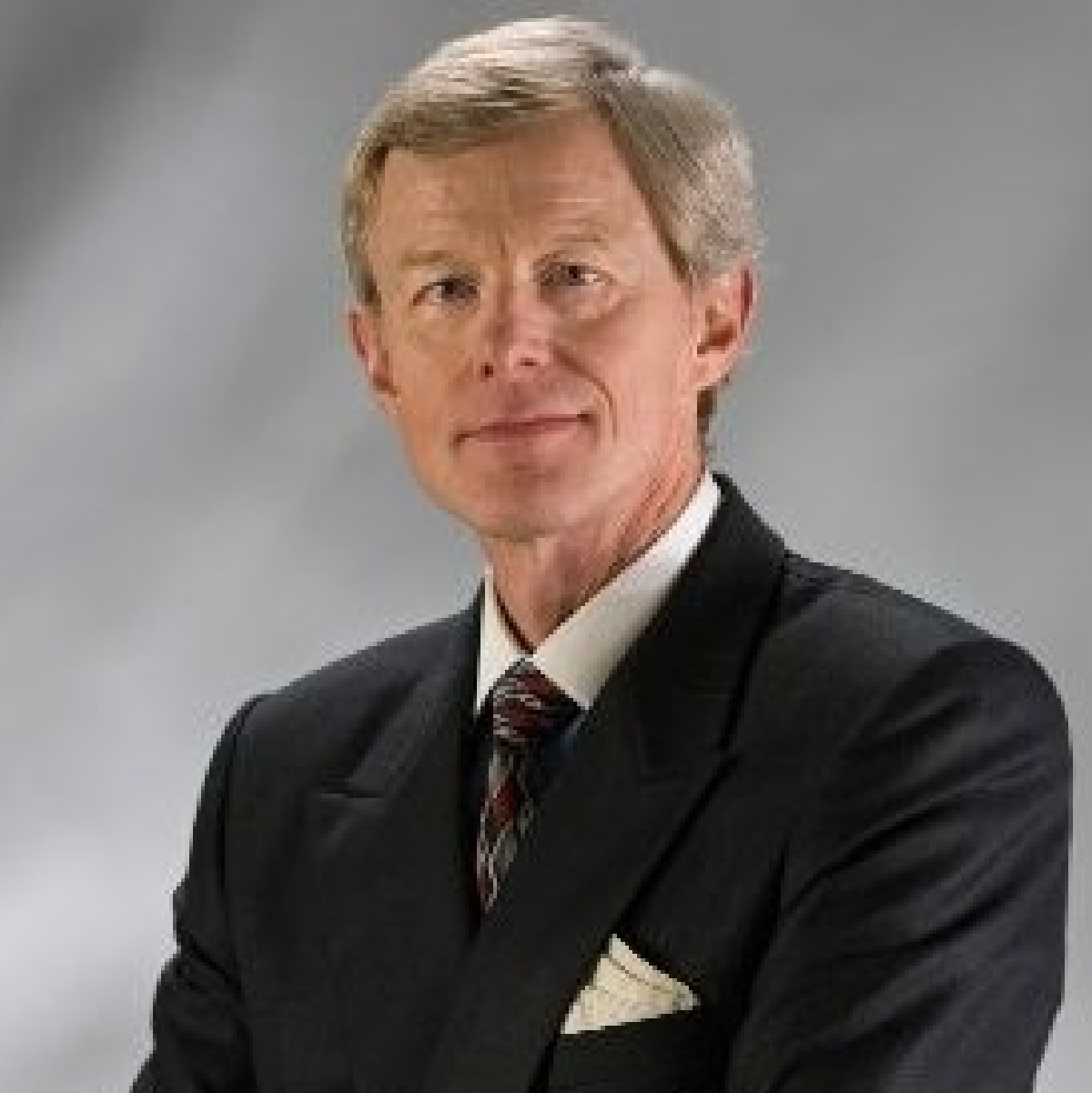
Steven Ferrey is Professor of Law at Suffolk University Law School in Boston, and also served as Visiting Professor of Law at Harvard Law School, and Visiting Professor of Law at Boston University Law School. He is the author of more than 150 law review articles plus 8 books on environmental, land-use, sustainability, and energy law, including:
- Environmental Law, Energy, Climate & Land-Use: Examples & Explanations, 10th ed. 2025
- The Law of Independent Power, Thomson-Reuters, 66th edition 2026 (3-volume book)
- Unlocking the Global Warming Toolbox: Key Choices for Carbon Restriction, 2010
- Powering the Future: A Lawyer’s Guide to Clean Energy, American Bar Association, 2024
He has testified on these matters before 7 different committees of the U.S. Senate and U.S. House of Representatives. He has advised several U.S. government agencies, and has advised the World Bank, the United Nations, and other international agencies on sustainable energy, environmental, and climate matters. He was appointed by prior Presidents and served on 3 different Presidential Commissions. He received a J.D. degree and a Masters of Science degree in Environmental Planning; between his two graduate degrees, he was awarded a Fulbright Fellowship at the University of London.
Jane Cohen
Professor Jane Cohen teaches the integrated subjects of water law, policy, and ethics; water and land-use; and food, water, and agriculture at the University of Texas School of Law, where she invites a mix of earth science, environmental engineering, public policy, regional planning, and law students into her courses. She also teaches in the UT undergraduate honors program, Plan II, where she was nominated for the Plan II teaching prize this Fall.
She researches and writes about the environmental stressors that afflict all ecological systems, most particularly the national forests, and the institutional and other failures of political will currently wreaking havoc with the 1970’s federal statutory reforms that consolidated the social dream of preserving, conserving, and otherwise rescuing this country’s badly degraded natural resources. Her subject of immediate focus is the federal Endangered Species Act. She is also working on a book about Mexico City’s perpetual water and water-related crises.
She is a co-traveler of the dark ecology movement, she thinks.
Carmen G. Gonzalez
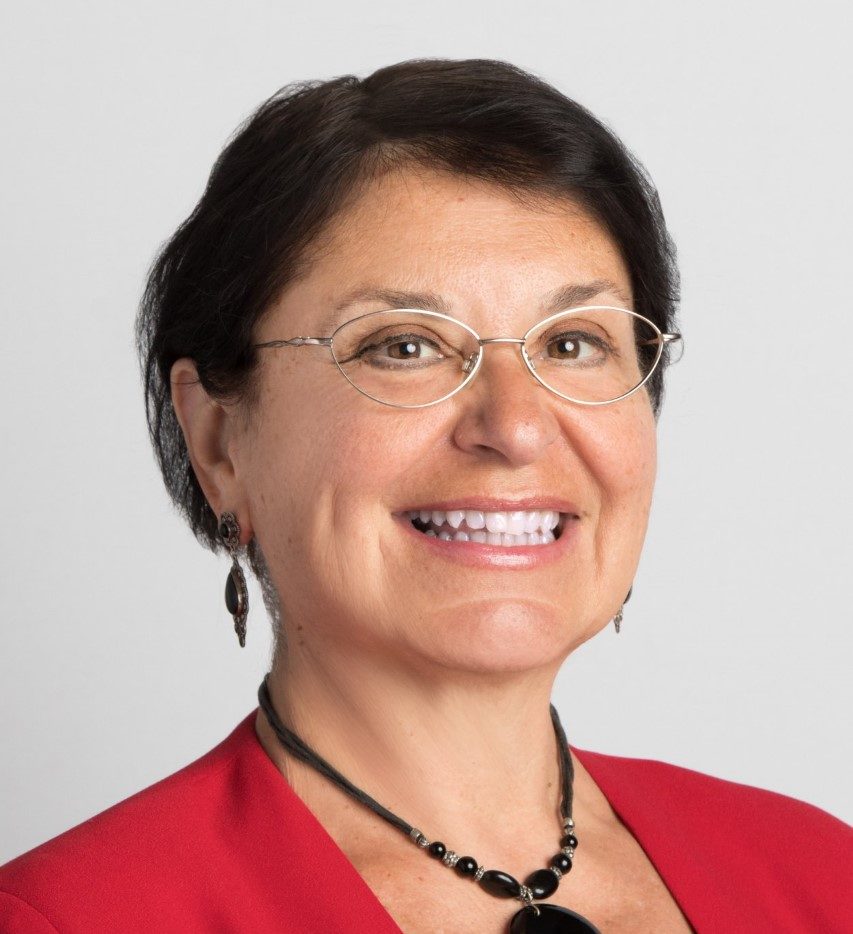
Carmen G. Gonzalez is the Morris I. Leibman Professor of Law at Loyola University Chicago School of Law. Her research focuses on international environmental law, environmental justice, human rights and the environment, and global food justice. She has published dozens of law review articles and several books. Her publications include Teaching Environmental Law in Context (Edward Elgar, 2026); The Cambridge Handbook of Environmental Justice and Sustainable Development (Cambridge University Press, 2021); Energy Justice: US and International Perspectives (Edward Elgar 2018); and International Environmental Law and the Global South (Cambridge University Press, 2015).
Professor Gonzalez was a U.S. Supreme Court Fellow and has held numerous prestigious academic appointments at universities throughout the world. She has also served as chair of the Environmental Law Section of the Association of American Law Schools; vice-chair of the Governing Board of the IUCN Academy of Environmental Law; and member of the Board of Trustees of Earthjustice. Professor Gonzalez holds a B.A. from Yale University and a J.D. from Harvard Law School.
Michele Okoh
Michele Okoh, JD, MPH, is an Assistant Professor at Lewis & Clark Law School, teaching public health law, criminal law, and criminal procedure. Her scholarship is at the intersection of criminal justice, environmental justice, and public health law. She has served as the section councilor for the Environment Section, represented both the Law Section and Environment Section on the Action Board, and was co-chair of the Environmental Justice Committee of the American Public Health Association (APHA). APHA has conferred the 2021 Rebecca A. Head Award upon Okoh in recognition of her outstanding leadership in environmental justice, policy, and science.

Rebecca Bratspies
Rebecca Bratspies is the Oliver Houck Professor of Environmental Law at Tulane University. A scholar of property law, environmental justice, and human rights, Rebecca has written scores of law review articles. Her most recent book is Teaching Environmental Law In Context (with Carmen Gonzalez). Her co-authored textbook Environmental Justice: Law Policy and Regulation is now in its fourth edition. Her award-winning history book Naming Gotham: The Villains, Rogues and Heroes Behind New York Place Names is in its second printing.
Rebeccan serves as an appointed member of New York City’s Environmental Justice Advisory Board, is a past member of EPA’s Children’s Health Protection Advisory Committee, and past president of the AALS Environmental Section. ABA-SEER honored Rebecca’s work with its 2021 Commitment to Diversity and Justice Award. She is best known for her EPA Clean Air Excellence Award winning graphic novel series The Environmental Justice Chronicles: Mayah’s Lot, Bina’s Plant, and Troop’s Run, (with artist Charlie LaGreca-Velasco.) Her graphic novella, The Earth Defenders (a collaboration with the United Nations Environmental Programme) shines a spotlight on the dangers that environmental defenders face around the world. Learn more at www.Rebecca.Bratspies.com.
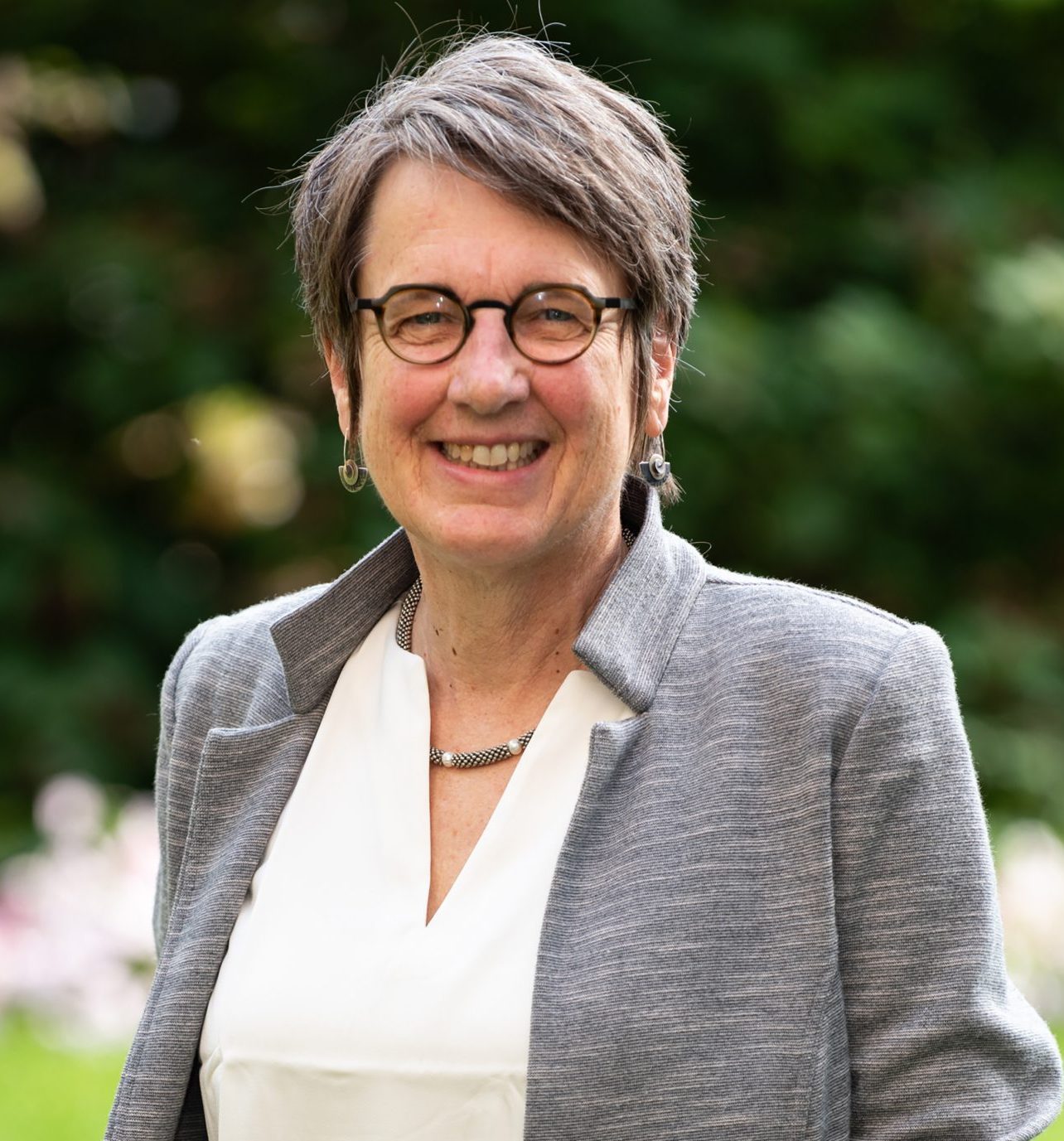
Amy Sinden
Amy Sinden teaches in the areas of environmental, climate, and natural resources law. She is also a member scholar at the Center for Progressive Reform and a fellow in the American College of Environmental Lawyers. She has received various awards and accolades for her writings critiquing the over-use of economic theory in environmental law and exploring the application of human rights norms to environmental conflicts, which have appeared in a variety of outlets, including the Iowa Law Review, the Harvard Environmental Law Review, and The American Prospect and have twice been selected for the Land Use and Environmental Law Review’s annual compilation of the five best environmental law articles of the year. Prof. Sinden received her B.A. from Swarthmore College and her J.D. summa cum laude from the University of Pennsylvania Law School. Before joining the Temple faculty in 2001, she practiced law for 10 years, including representing citizens’ groups in clean water and endangered species litigation with Earthjustice and PennFuture.
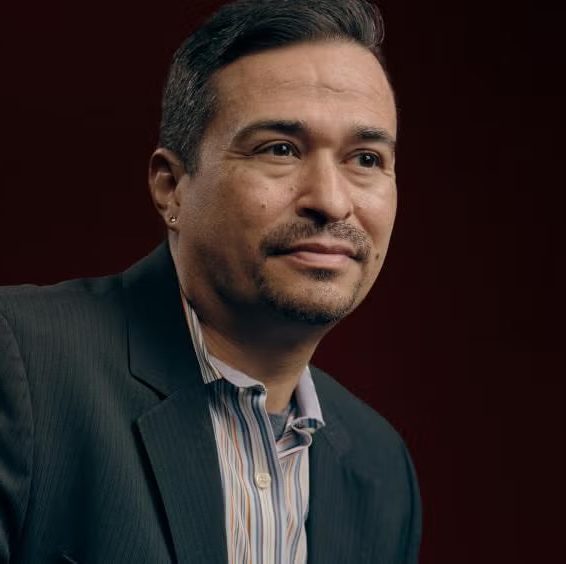
Tom Romero
Dr. Romero is a Professor at the William S. Boyd College of Law at the University of Nevada Las Vegas. His work recently has focused on the relationship of the history of racial injustice to current challenges around water inequity. Recent scholarship and research explores the use of racial impact statements in the work of water municipalities; details the intersection between developments in water and immigration law in the late 19th and early 20th centuries; and explores developments in water law, migration, racism, and metropolitan development across the arid-Wests of Australia and the United States. In addition, Dr. Romero is part of community based participatory research projects on water rights, water access and water quality spanning Colorado and Nevada. He received his Ph.D and J.D. from the University of Michigan and his B.A. from the University of Denver.
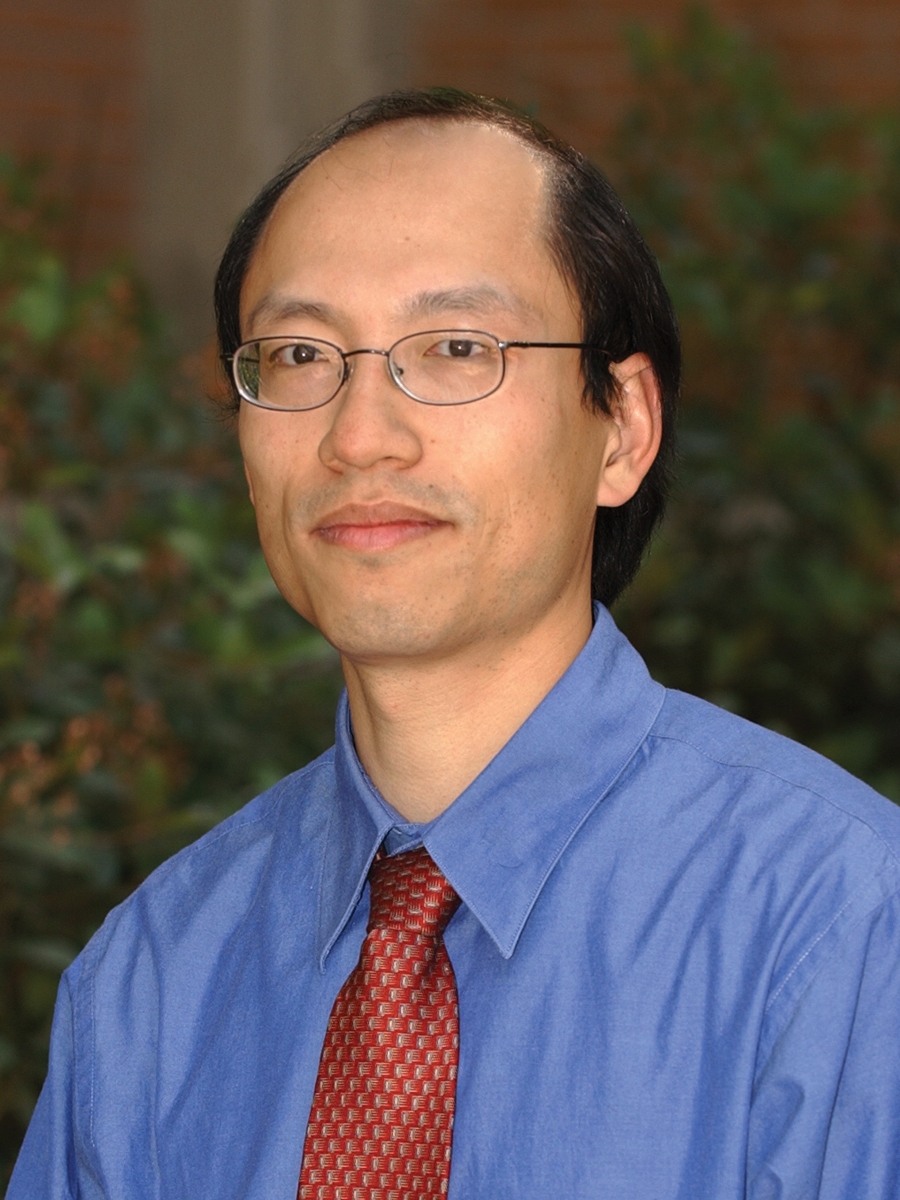
Al Lin
Albert Lin is a Martin Luther King Jr. Professor of Law at the UC Davis School of Law. His research interests include environmental regulation, climate change law, public nuisance, public lands, and geoengineering governance. Prior to entering academia, he was a trial attorney for the Environment and Natural Resources Division of U.S. DOJ and clerked for Judge James Browning (9th Cir.) and then-Judge Merrick Garland (D.C. Cir.). He received his J.D. from the UC Berkeley School of Law and an M.P.P. from the Harvard Kennedy School.

Karen Bradshaw
Karen Bradshaw is a Professor of Law and Alan Matthenson Research Fellow at the Sandra Day O’Connor College of Law Arizona State University, a Senior Sustainability Scientist at the Global Institute of Sustainability, a Faculty Fellow at Oxford Centre for Animal Ethics, and a Faculty Affiliate Scholar at the New York University School of Law Classical Liberal Institute. Prominent national media outlets including Forbes, Fortune, The Atlantic, Bloomberg, National Public Radio, NPR’s Planet Money, and The New York Times have featured Bradshaw’s research and writing.
Bradshaw is the author of several books, including the forthcoming Depolarized: How Stakeholder Collaborations are Breaking Gridlock (Columbia) and the internationally acclaimed book Wildlife as Property Owners: A New Conception of Animal Rights (Chicago). Wildlife as Property Owners was featured in the Official 2022 GRAMMY gift bags and was “highly recommended” in a Forbes book review. Bradshaw is the contributing co-editor on the defining book on wildfire law and has published over twenty-five academic articles on a variety of legal topics, several of which have won awards for influencing their respective fields.
She researches and teaches the legal subjects of Property, Contracts, Environmental Law, Natural Resources, and Biodiversity. Her transdisciplinary work includes collaborations with artists, economists, scientists, philosophers, nongovernmental organizations, and government agencies. Bradshaw was the Desert Humanities Institute Fellow for 2021-2022 and recipient of the 2020 Stegner Young Scholar Award along with several grants. Bradshaw has served in a variety of leadership roles within government and nonprofit organizations concurrently with her academic appointment, most notably as an Academic Consultant preparing an Office of the Chairman Report for the Administrative Conference of the United States (a bi-partisan federal agency) and her current role in a transdisciplinary working group on the ethics and governance surrounding climate intervention through the National Science Foundation.
Bradshaw earned a JD with honors from University of Chicago Law School, an MBA from California State University, Chico and a BS in Business Administration from University of California, Berkeley, where she was a Regent’s Scholar. She clerked for Judge E. Grady Jolly on the Fifth Circuit Court of Appeals and was the Koch-Searle Research Fellow at New York University School of Law.
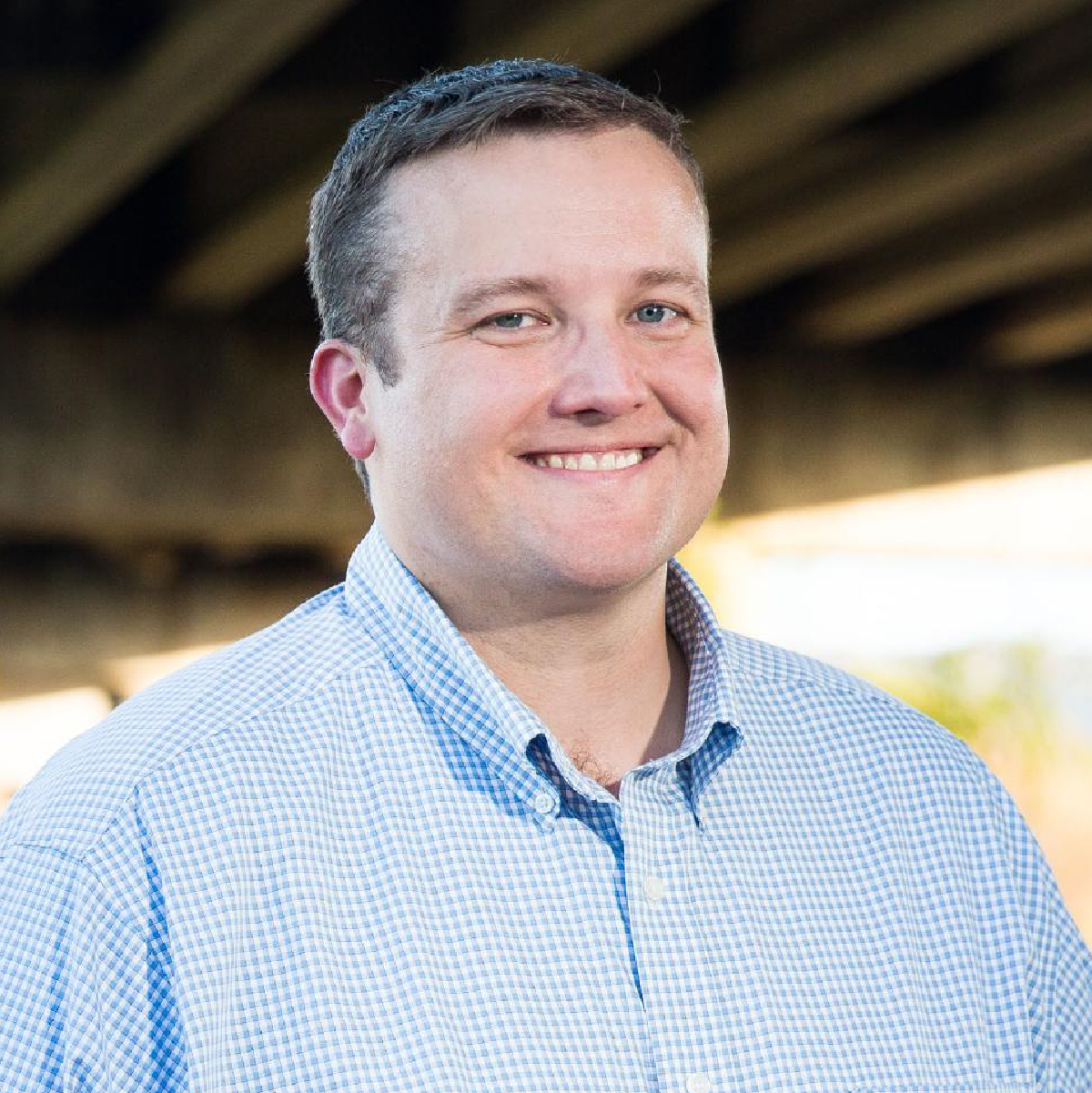
Rhett Larson
Rhett Larson is the Richard Morrison Professor of Water Law at Arizona State University’s Sandra Day O’Connor College of Law. He is also a senior research fellow with the Kyl Center for Water Policy at ASU’s Morrison Institute for Public Policy. Professor Larson’s research and teaching interests are in property law, administrative law, and environmental and natural resource law, in particular, domestic and international water law and policy.
Professor Larson’s research focuses on the impact of technological innovation on water rights regimes, in particularly transboundary waters, and on the sustainability implications of a human right to water. Professor Larson serves on the Board of Directors of the Arizona Mexico Commission, on the Water Conservation Grant Committee of Arizona’s Water Infrastructure Finance Authority, and is legal counsel to the Arizona Municipal Water Users Association. He is the Principal Investigator on a USAID-funded applied research project improving water supplies for refugee host communities in Lebanon and Jordan. Professor Larson was a visiting professor and Fulbright Scholar at the Pontifical Catholic University of Ecuador, a PLuS Alliance visiting fellow with the University of New South Wales in Sydney, Australia, a Lady Davis Fellow and visiting professor at the Hebrew University of Jerusalem. He is the author of Just Add Water: Solving the World’s Problems Using its Most Precious Resource (Oxford University Press, 2020).
Education
- M.Sc. Water Science, Policy and Management, University of Oxford (as a Weidenfeld Scholar)
- J.D. University of Chicago Law School
- B.A. Brigham Young University
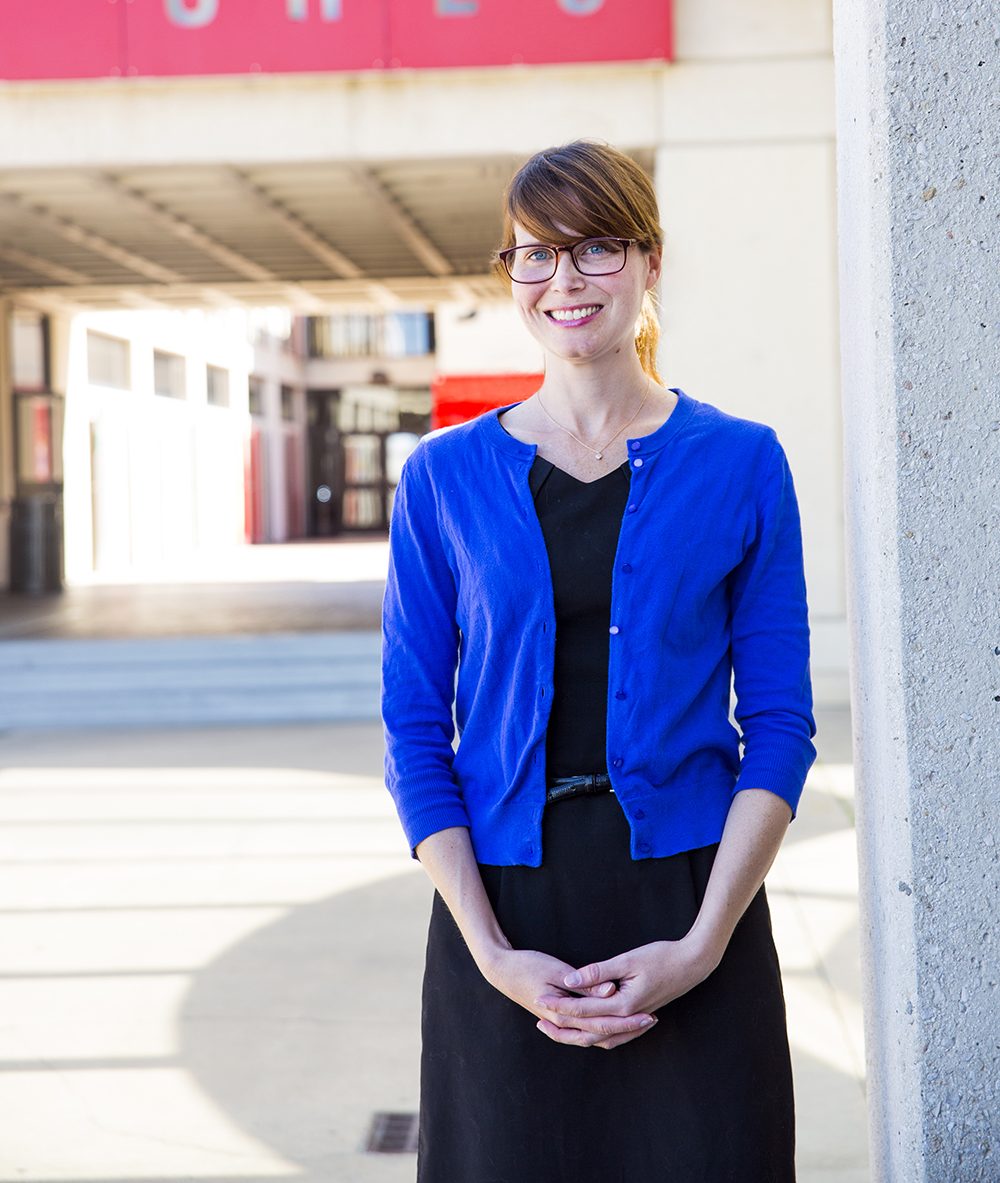
Kellen Zale
Kellen Zale is an Associate Professor of Law and the Baker Botts LLP Professor in Law at the University of Houston Law Center, where she researches and teaches in the areas of property, real estate, land use, and local government law.
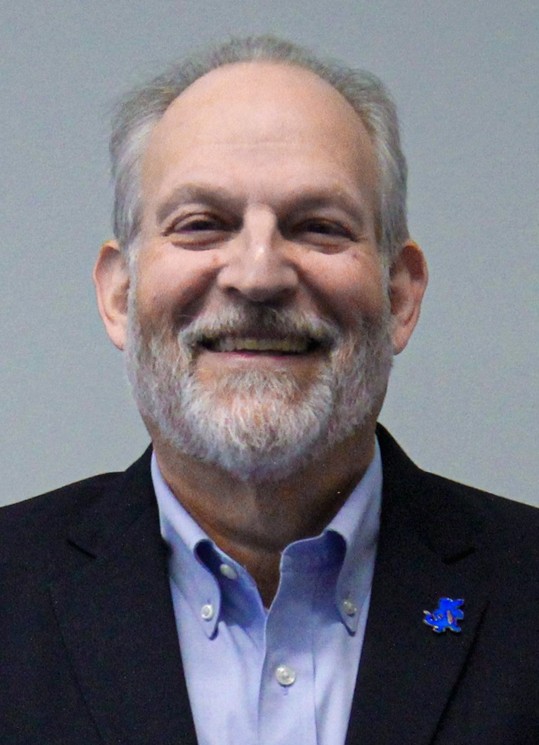
Michael Wolf
Michael Allan Wolf is the Richard E. Nelson Eminent Scholar Chair in Local Government at the University of Florida Levin College of Law. He has been teaching and writing for more than four decades in the fields of property, land use, takings, constitutional, environmental, and economic development law, and constitutional history. He is the author of dozens of articles (many appearing in leading law reviews) and several books, including Powell on Real Property, Land Use Law (with Daniel Mandelker), and The Zoning of America: Euclid v. Ambler.
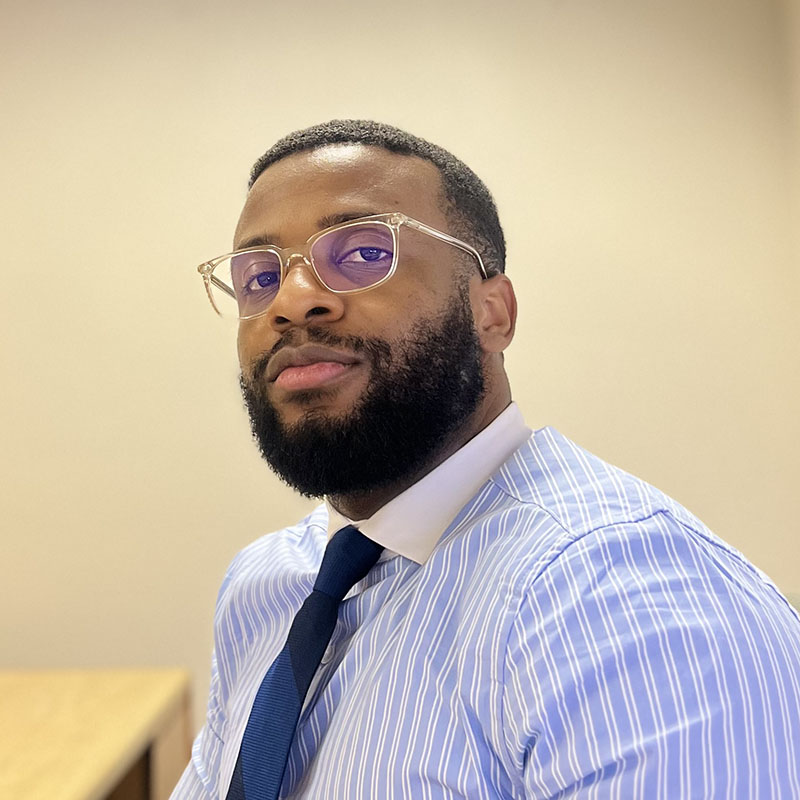
Chinonso Anozie
Professor Chinonso Tansi Anozie, LLM, SJD, is an Assistant Professor of Law at the University of Houston Law Center, where he is also a Presidential Frontier Faculty. He teaches Property Law, Environmental Law, Energy and Climate Law, and Global Environmental Justice. Before joining the University of Houston, Professor Anozie was an Assistant Professor of Law at Willamette University College of Law and a Visiting Assistant Professor of Law at Sandra Day O’Connor College of Law, Arizona State University.
Professor Anozie obtained his Doctor of Juridical Science (SJD) degree from SMU Dedman School of Law, where his research focused on domestic and international energy development policies and environmental harm remediation in various jurisdictions. He also holds a Master of Laws (LL.M) in Energy and Natural Resources Law from the University of Oklahoma College of Law, and a Bachelor of Laws (LL. B) from the University of Nigeria.
Professor Anozie’s scholarly interests are in the areas of energy, environmental law, and clean energy transition and policy. His research addresses the intersection of energy and environmental laws, regulations, and policies and their impact on energy development, particularly in disadvantaged communities. He also studies how the new energy transition laws interact with environmental justice tenets in disadvantaged communities. He is currently writing on the extraterritorial nature of U.S. energy and environmental policies and how countries react to such policies.
Before his academic career, Professor Anozie worked as a Foreign Legal Consultant at Bon Actes Solicitors & Attorneys and as a Senior Associate at the same firm in Abuja, Nigeria, advising multinational companies and foreign organizations on various domestic and international transactions. He also worked as an Associate in the Corporate Division of Paul Erokoro (SAN) & Co. in Abuja, Nigeria.
He has published articles in several law reviews and has presented his research at numerous conferences and workshops. He is an active member of several professional associations, including the AALS Section on Natural Resources and Energy Law, the Foundation for Natural Resources and Energy Law, and the Institute for Energy Law.
Heidi Gorovitz Robertson
Heidi Gorovitz Robertson, is the Steven W. Percy Professor of Law at the College of Law and Professor of Environmental Studies at the Levin College of Public Affairs and Education, Cleveland State University. Robertson earned a J.D. from the University of Wisconsin-Madison, and LL.M and J.S.D. degrees from Columbia University. She practiced environmental law at Pillsbury Madison & Sutro (now Pillsbury Winthrop Shaw Pittman). Robertson has published numerous law review articles on environmental and energy law, and she writes at the intersection of those topics and property rights and regulation. She is the author of Strategies and Techniques for Teaching Environmental Law (Wolters Kluwer Academic).
Robertson has received Cleveland State University’s Distinguished Faculty Award for Excellence in Teaching, the McNair Scholars Mentor of the Year Award, and the Wilson G. Stapleton Award for Faculty Excellence. She has earned two Fulbright Specialist grants that brought her to India and to Sweden. In addition to her teaching at Cleveland State, Robertson was the Libra Visiting Professor at the University of Maine School of Law and has taught law students at the graduate and undergraduate levels in England, Russia, Sweden, India, and Spain. In the Fall of 2026, Robertson will serve as the Coleman Burke Visiting Scholar at Case Western Reserve University, School of Law.
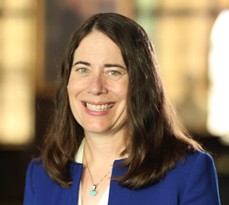
Hari Osofsky
Hari M. Osofsky is the Myra and James Bradwell Professor of Law and former dean at Northwestern Pritzker School of Law and Professor of Environmental Policy and Culture (courtesy) at the Weinberg College of Arts and Sciences. She is the founding director of the Northwestern University Energy Innovation Lab, which brings together bipartisan business, government, and nonprofit leaders with groundbreaking interdisciplinary scholars to catalyze energy and emerging technology innovation. The Lab’s initial projects aim to shape rapidly evolving technology, regulation, and investment in ways that could transform the future of energy; they focus on data center optimization, energy and emerging technology investment, geopolitics, and new frontiers in energy and space.
She also serves as the founding director of the Rule of Law Global Academic Partnership, a collaboration of over 150 law schools from six continents that is advancing nonpartisan civic education, research, teaching, and programming. The Partnership focuses on judicial independence and separation of powers, the role of lawyers and legal representation, the role of universities and academic freedom, and due process.
Professor Osofsky’s over 50 publications on energy and climate change include books with Cambridge University Press on climate change litigation, textbooks on both energy and climate change law, and articles in leading law and geography journals. She is currently working on interdisciplinary projects on data center energy optimization; data center litigation; regulation at the intersection of AI, energy, and space; the geopolitics of AI and energy; and space-based energy.
Her Emory Law Journal article, Energy Partisanship, was awarded the 2018 Morrison Prize, which recognizes the most impactful sustainability-related legal academic article published in North America during the previous year. She has collaborated extensively with business, government, and nonprofit leaders to make bipartisan progress on these issues through her leadership roles and teaching. She is a member of the American Law Institute, fellow of the American College of Environmental Lawyers, and life fellow of the American Bar Foundation.
The American Bar Association’s Legal Technology Resource Center recognized her as one of the 2019 Women of Legal Tech. Professor Osofsky previously served as Dean of Northwestern Pritzker School of Law (2021-25) and Dean, Distinguished Professor of Law, Professor of International Affairs, and Professor of Geography at Penn State Law and the Penn State School of International Affairs (2017-21). In those deanships, she improved key metrics to historic levels, raised over $51 million in transformational funding, hired over two dozen outstanding faculty, managed budgets of over $100 million, launched innovative interdisciplinary programs, raised key metrics to historic levels, and improved national rankings (returning Northwestern to the top 10 and moving Penn State up 22 places).
She also served as Robins Kaplan Professor of Law, Founding Director of the Energy Transition Lab, and Director of the Joint Degree Program in Law, Science & Technology at the University of Minnesota and on the faculties at Washington and Lee University School of Law, the University of Oregon School of Law, and Whittier Law School. Professor Osofsky received a Ph.D. in geography from the University of Oregon and a J.D. from Yale Law School. She clerked for Judge Dorothy W. Nelson of the U.S. Court of Appeals for the Ninth Circuit.
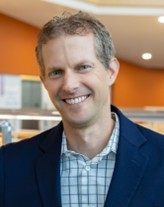
Michael Helbing
Mike Helbing is Executive Director of the Penn State Center for Energy Law and Policy (CELP) and Adjunct Professor of Law at Penn State Dickinson Law. He joined Penn State in July 2022. He is involved in many of CELP’s research and educational activities, including projects related to sustainable aviation fuel, renewable natural gas, carbon capture and sequestration, critical minerals, solar energy, energy efficiency, and energy justice. He has taught courses in energy law and policy, water law and policy, and natural resources law. Prior to coming to Penn State, Mike worked in positions that integrated law with science and policy. Most recently, he worked in the Office of the Chief Counsel for the U.S. Food and Drug Administration, where he was Associate Chief Counsel for Litigation and Senior Enforcement Advisor. He has also served as a Staff Attorney for Citizens for Pennsylvania’s Future (PennFuture), where he advised on legal and policy matters related to energy and the environment. Mike received a B.S. in chemical engineering from Penn State University and a J.D. from Yale Law School.
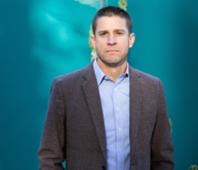
Troy Rule
Troy A. Rule is the Joseph Feller Memorial Chair in Law and Sustainability and serves as Faculty Director of the Law and Sustainability Program at ASU’s Sandra Day O’Connor College of Law. Prior to entering academia, Professor Rule was an attorney at K&L Gates LLP in Seattle, where his practice focused primarily on commercial real estate transactions and wind energy development. He has published two dozen law journal articles and is the author of Solar, Wind and Land: Conflicts in Renewable Energy Development (Routledge-Earthscan, 2014) and Renewable Energy: Law, Policy and Practice (West Academic Publishing, 2018; 2d ed. 2021; 3d ed. 2026) and a co-author of The Law of Property (West Academic Publishing, 4th ed. 2019). He has also worked on renewable energy policy research projects funded under the U.S. Department of Energy and U.S. Department of Defense.
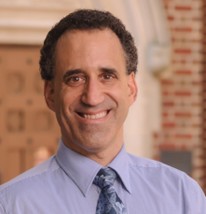
Joel Eisen
Since joining the Richmond Law faculty in 1994, Professor Joel Eisen has had an illustrious career as a prolific and well-respected energy law scholar. In addition to courses in energy law, he teaches courses in federal administrative law and environmental law and policy. He is a co- author of a widely adopted textbook on energy law, ENERGY, ECONOMICS AND THE ENVIRONMENT, and the author of a comprehensive book on ADVANCED INTRODUCTION TO RENEWABLE ENERGY. He has also authored numerous books, book chapters, treatises, and law review articles on administrative agency regulation and energy topics. In recognition of his contributions to scholarship, the University of Richmond named him the inaugural Robert Merhige Faculty Research Scholar in 2025. Professor Eisen is a graduate of the Stanford Law School (J.D. 1985) and the Massachusetts Institute of Technology (B.S. degree in Civil Engineering in 1981).
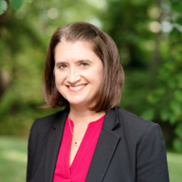
Shannon Roesler
Shannon Roesler is the Charlotte and Frederick Hubbell Professor of Environmental and Natural Resources Law and the Faculty Director of the Hubbell Environmental Law Initiative at the College of Law.
Professor Roesler’s scholarship focuses on issues of environmental governance, land use regulation, and climate policy, often exploring issues at the intersection of environmental regulation and constitutional law. Her work has appeared or is forthcoming in edited volumes and leading law journals such as the Georgetown Law Journal, the Florida Law Review, and the U.C. Davis Law Review. She is also a co-author of a property law casebook and recently co-edited a volume entitled Adapting to High-Level Warming: Law, Governance, and Equity.
Professor Roesler received her B.A. and J.D. from the University of Kansas, an LL.M. from Georgetown University, an M.A. in English literature from the University of Chicago, and an M.A. in political science from the University of Wisconsin-Madison.
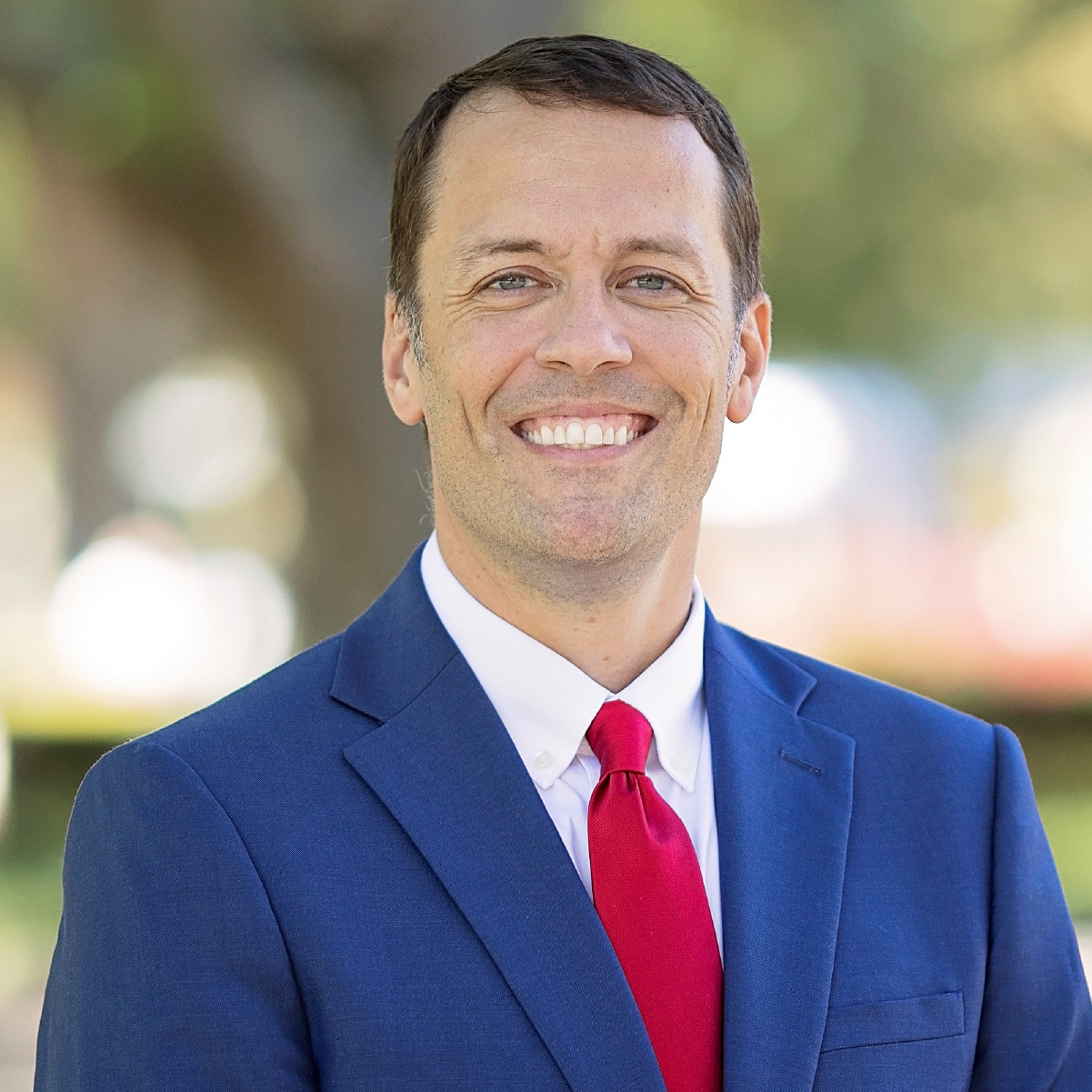
Blake Hudson
Blake Hudson comes to Cumberland School of Law after serving as the Samuel T. Dell professor of law and director of the Environmental Land Use and Real Estate Law Program at the University of Florida’s Levin College of Law.
As a professor, Hudson teaches courses related to property, environmental and natural resources law. His research focuses on the intersection of land use law, policy, and planning with natural resource management, with particular emphasis on the role of forest management in combating climate change and the implications of land development for sustainable natural resource management.
His research has also centered on the complex role of private property rights and government institutions as solutions to common dilemmas and how federalism and constitutional structure have the potential to both complicate and resolve land use and natural resource management issues at the state, federal and international levels. He has published over 30 articles in legal and peer reviewed academic journals, 10 book chapters and three books.
Hudson grew up in Grove Hill, Alabama. He obtained his bachelor’s degree in biology and history, with minors in prelaw and political science, from the University of Montevallo. He graduated with high honors from Duke University School of Law and received a Master of Environmental Science and Policy from Duke’s Nicholas School of the Environment. Prior to joining UF Law, Hudson held faculty roles at Stetson University College of Law, the Louisiana State University (LSU) Law Center and LSU’s College of the Coast & Environment, and the Houston Law Center. Before entering academia, he practiced at the law firm of Baker Botts in Houston.
He is married to Eliza Rhoads Hudson, a 2003 Samford alumna, and they have two sons, Campbell and Ridley.
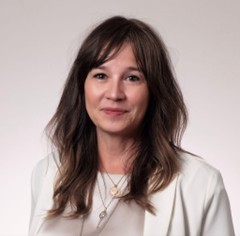
Gina Warren
Gina S. Warren is the A.L. O’Quinn Chair in Environmental Studies and co-director of the Environment, Energy, and Natural Resources Center. Her teaching and scholarship focus on the nexus between the environment, property, social justice, and energy. Her scholarship has appeared in top 20 law review journals, books, and peer-reviewed journals. She is an internationally-recognized scholar with publications in prominent journals such as the Boston University Law Review, the Maryland Law Review, the Missouri Law Review, the Nebraska Law Review, the Idaho Law Review (peer reviewed), the University of Cologne (Germany) Business Law Journal, and the Columbia Journal of Environmental Law. Warren’s research has also been cited by the Texas Supreme Court, the Colorado Supreme Court, Massachusetts appellate courts, the Oxford Handbook of Sport and Society, and showcased by the Washington Post, among others. Professor Warren was in private practice for several years prior to entering academia. She worked as a litigator in land use, environment, and utility law at Perkins Coie, LLP. Professor Warren also completed a clerkship for the Honorable Michael Winkelstein of the Appellate Division of the Superior Court of New Jersey. She received her Bachelor of Science from the University of Arizona and her Juris Doctorate from Rutgers School of Law. She is admitted to practice law in Pennsylvania, New Jersey, the U.S. Virgin Islands, and Washington.
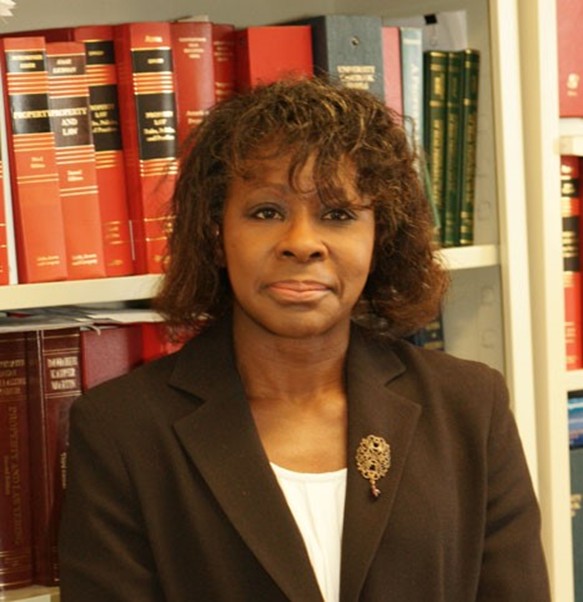
Shelby D. Green
Professor of Law, Elisabeth Haub School of Law at Pace University, White Plains, N.Y. She is a graduate of Georgetown University Law Center. She teaches and writes in the areas of property, real estate transactions, housing and historic preservation. She is the immediate past chair of the Real Property Law Section of the New York State Bar Association and of the Legal Education Group of the Real Property Trust and Estate Section of the American Bar Association. She is editor of the Keeping Current-Property column in Probate & Property magazine, and an organizer, occasional presenter and regular moderator for the monthly webinar, Professors’ Corner, offered by the same section. At the Haub Law School, she serves as co-counsel of the Land Use Law Center. Outside of the law school, she serves on the boards of the Jay Heritage Center, which manages the John Jay Estate, a National Historic Landmark in Rye, N.Y., and the Westchester Parks Foundation.
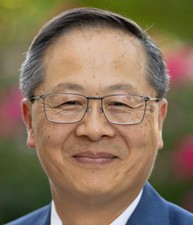
Tseming Yang
Tseming Yang is Professor of Law at Santa Clara University School of Law, where he teaches environmental law, property, and various environmental specialty courses. His research and scholarship focus on international and comparative environmental law, environmental justice, and sustainability. Currently, he co-leads an IUCN Academy of Environmental Law initiative on a global comparative environmental law survey. Professor Yang is a co-editor of the Handbook on Comparative Environmental Law (Edward Elgar, 2025) and a co-author of Comparative and Global Environmental Law (Aspen Publishing, 2020). Before joining the Santa Clara Law faculty in 2012, Professor Yang served as Deputy General Counsel of the U.S. Environmental Protection Agency during the Obama Administration. From 2007 to 2010, he led the US-China Partnership for Environmental Law at Vermont Law School, an initiative funded by the USAID and State Department to build institutional capacity in environmental law and governance in China. He started his career as an attorney in the Environment and Natural Resources Division of the U.S. Department of Justice. Professor Yang holds a J.D. from the University of California, Berkeley, and a bachelor’s degree in biochemistry from Harvard University.
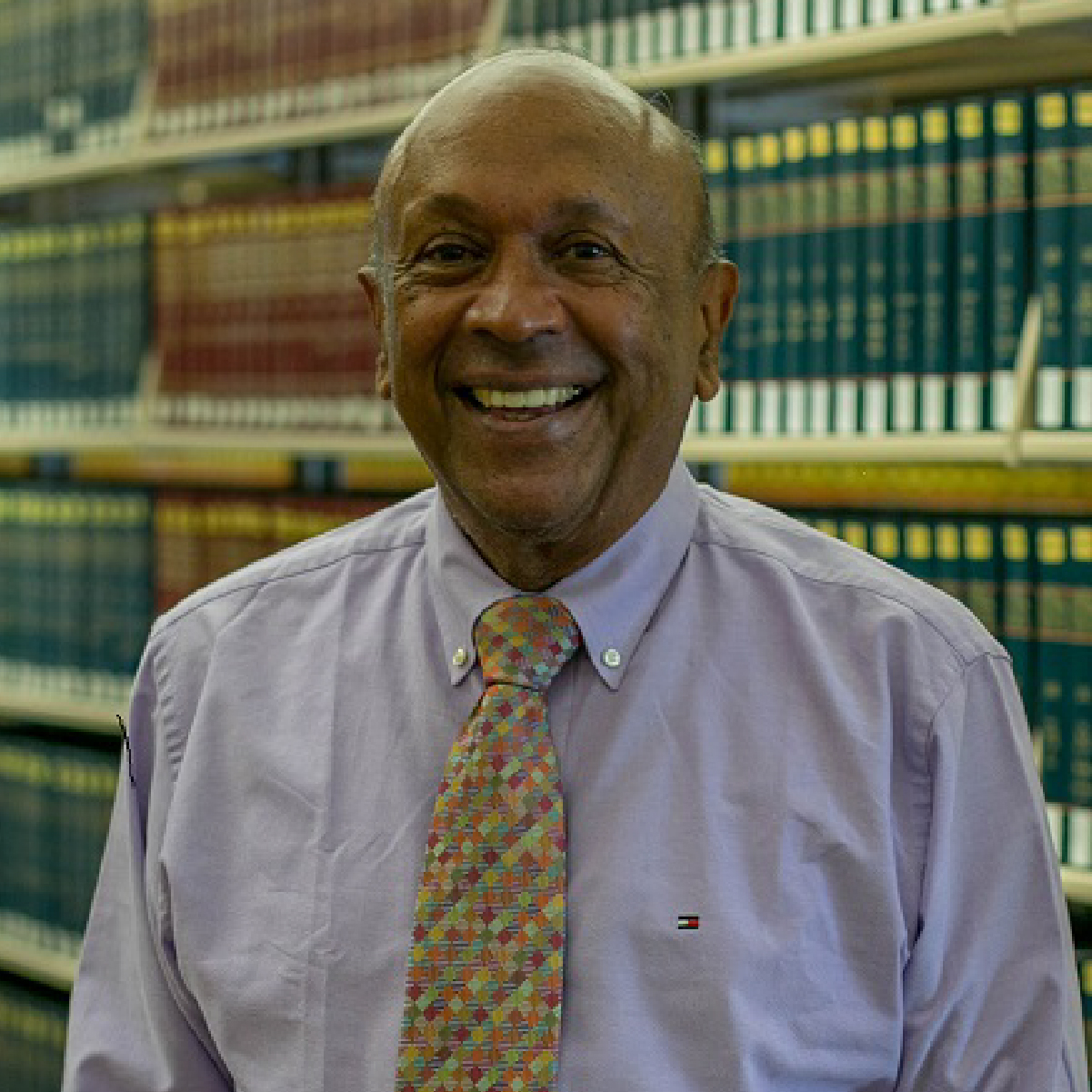
Lakshman Guruswamy
Lakshman Guruswamy, who was born in Sri Lanka, is a nationally and internationally recognized author, expert and speaker in International Law, International Environmental and Global Energy Law. He is the Nicholas Doman Professor of International Law Emeritus at the University of Colorado at Boulder (CU). Prior to joining CU, he taught in Sri Lanka, the UK, and the Universities of Iowa and Arizona. At CU his classes included international law, International Environmental Law, Global Energy Justice, Oil and International Relations, and International Law. He presently directs the Global Energy Justice Initiative of the CU School of Law. His research uses interdisciplinary frameworks to explore how and why energy justice calls for the fashioning of practical energy solutions, for the energy poor inhabiting the least developed parts of the developing world. Lakshman is widely published and is a frequent speaker at scholarly meetings in the US and around the world. He is the author of International Environmental Law (6 th ed., West, 2021), Global Energy Justice: Law and Policy (West, 2016), the co-editor of International Energy and Poverty: The Emerging Frontiers (Routledge, 2015), He co-authored International Environmental Law and World Order (2nd. 1999), Biological Diversity: Converging Strategies (1998), and Arms Control and the Environment (2001). He has authored over 50 scholarly articles published in law reviews and other peer reviewed journals and won the 2016 Senior Scholar award granted by the Environmental Academy of the International Union for the Conservation of Nature (IUCN). He is currently under contract with West, for two books: (1) the 7th edition of his nutshell on International Environmental Law, and (2) a new treatise: Principles of International Environmental Law, both due in 2026.
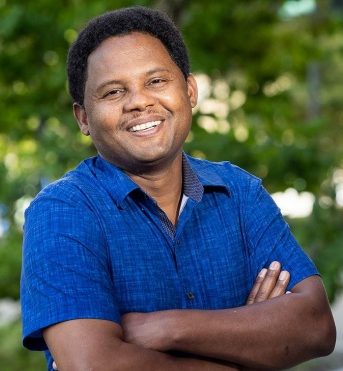
Mekonnen Ayano
Mekonnen F. Ayano is an Associate Professor of Law at the University at Buffalo School of Law. He teaches Property, Natural Resources, and Immigration Law. His scholarship examines the legal and sociological dimensions of housing and property issues affecting low-income communities in the United States, as well as land reform, rural development, and the legal profession in less wealthy societies. He uses historical and interdisciplinary approaches to explore how law shapes relationships among people, resources, and institutions.
Anastasia Telesetsky
Anastasia Telesetsky is a Professor of Law in the Department of Natural Resources and Environmental Sciences at the California State Polytechnic University San Luis Obispo. She has also several legal ocean law related courses in China, Japan, and New Zealand. Prior to academia, she practiced environmental law for 10 years in Seattle, San Francisco, and Berlin. She is a member of the IUCN World Commission on Environmental Law and a former Fulbright scholar, Axford fellow, and Bosch fellow. She is currently involved with the Society for Ecological Restoration on a drafting effort for a model ecosystem restoration law and the International Law Association on a project to protect the human rights of persons at sea. Along with many law review articles, she is the co-author of a monograph on international environmental law and ecological restoration and a textbook on global international environmental law.
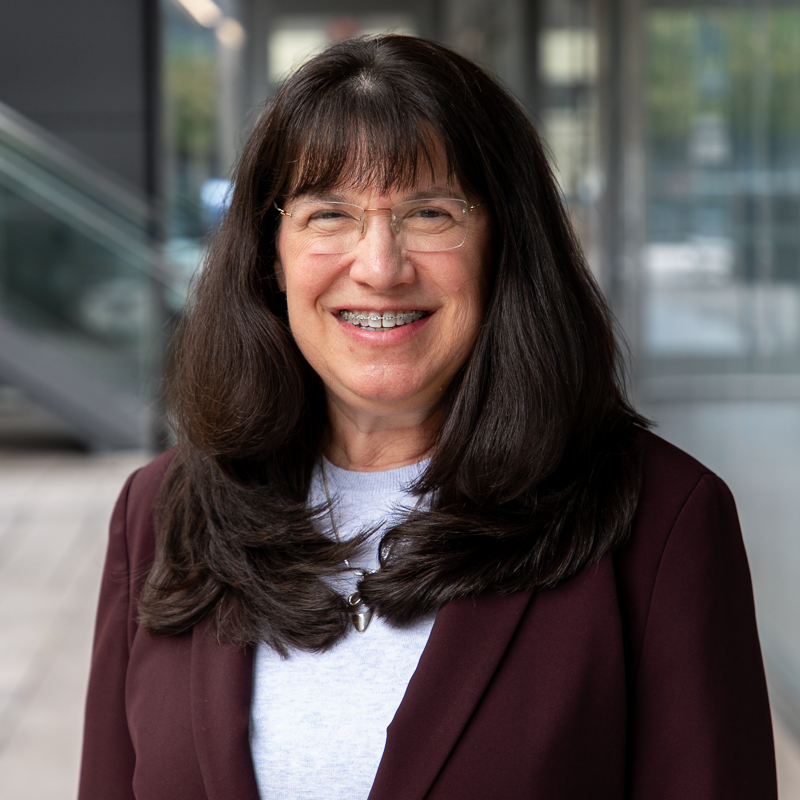
Ellen Bublick
Ellen Bublick is the Foundation Professor of Law and Civil Justice at Arizona State University, Sandra Day O’Connor College of Law. She writes the leading U.S. tort law treatise, THE LAW OF TORTS, and the leading hornbook, HORNBOOK ON TORTS (with Paul Hayden and formerly Dan Dobbs). Her books and articles have been cited by the United States Supreme Court and by courts in every federal circuit, forty-nine states, and many foreign jurisdictions.
Bublick serves as Co-Editor of the Journal of Tort Law, the leading scholarly journal in the torts field. She also serves as an Advisor to the American Law Institute’s RESTATEMENT THIRD OF TORTS. She previously served as Chair of the Torts and Compensation Section of the Association of American Law Schools and as Section Editor of the JOTWELL Torts blog. Her other books include the leading Torts casebook, TORTS AND COMPENSATION: PERSONAL ACCOUNTABILITY AND SOCIAL RESPONSIBILITY FOR INJURY (with Paul Hayden); DOBBS ON ECONOMIC AND DIGNITARY TORTS (with Jane Bambauer and Daniel Arellano), and A CONCISE RESTATEMENT OF TORTS (on behalf of the American Law Institute). Her publications include works with Oxford University Press, Columbia Law Review and Vanderbilt Law Review, among others. Some of her work has been translated into Chinese.
Bublick has been invited to speak to international audiences which include the European Group on Tort Law in Vienna, Austria, the Obligations Discussion Group at Oxford University in England, the Research Center for Civil and Commercial Jurisprudence of Renmin University of China and the Tort Law Research Group in Ontario, Canada. She has been invited to speak to national audiences which include the National Institute of Justice, the National Sexual Assault Law Institute, the District of Arizona Conference, the Louisiana Judicial Conference, and the Pennsylvania House of Representatives. One of her innovative legal theories was expressly adopted by the Washington Supreme Court in Christensen v. Royal School Dist. No. 160, 124 P.2d 283 (2005).
An honors graduate of Duke University and Harvard Law School, Bublick clerked for Judge Walter Cummings on the Seventh Circuit Court of Appeals and practiced law at Mayer, Brown & Platt in Chicago before entering academia. She served as the Dan B. Dobbs Professor of Law at the University of Arizona and as Visiting Professor of Business Law at the UCLA School of Law.
Natalie Jacewicz
As an assistant professor at University of San Diego School of Law, Natalie Jacewicz researches how to balance conflicting societal interests in the face of environmental crises ranging from climate change to biodiversity collapse. Her recent work reconceptualizes conservation law to better account for nonhuman animals’ interests. Her paper Crafting a New Conservationism was selected for presentation at the 2025 Harvard/Stanford/Yale Junior Faculty Forum. Prior to joining USD, Professor Jacewicz was a Furman Academic Fellow at NYU School of Law. She also worked on environmental policy and appellate litigation as a Legal Fellow at the Institute for Policy Integrity and clerked for the Honorable Judge Randolph D. Moss of the United States District Court for the District of Columbia and the Honorable Judge David S. Tatel of the D.C. Circuit. Her work has appeared or is forthcoming in California Law Review, NYU Law Review, Harvard Environmental Law Review, among other outlets.
Robert Glicksman
Robert L. Glicksman is the J.B. & Maurice C. Shapiro Professor of Environmental Law at the George Washington University Law School. His expertise covers natural resources, environmental, administrative, and property law. Professor Glicksman’s books include the leading treatises on both federal public land law, Public Natural Resources Law (Thomson Reuters 2025-2 ed.), and environmental assessment, NEPA Law and Litigation (Thomson Reuters 2025 ed.). He is also the co-author of two law school textbooks, Environmental Protection: Law and Policy (Aspen Pub., 9 th ed. 2023), and Administrative Law: Agency Action in Legal Context (Foundation Press, 4th ed. 2025) (with Richard Levy and David Adelman), and several scholarly monographs, including Reorganizing Government: A Functional and Dimensional Framework (NYU Press 2019) (with Alejandro Camacho), and Risk Regulation at Risk: A Pragmatic Approach (Stanford University Press 2003) (with Sidney Shapiro).
Professor Glicksman’s law review articles have appeared in top general and environmental law specialty law journals, and include recent articles on various environmental, natural resources law, and administrative law issues, including judicial review of agency decisionmaking under NEPA, the constitutionality of administrative adjudication, the impacts of climate change on federal land management, and judicially imposed restrictions on standing to sue. He has an M.A. from Harvard University and a J.D. from Cornell Law School.
Jaclyn Lopez
Professor Jaclyn Lopez established and directs the Jacobs Public Interest Law Clinic for Democracy and the Environment at Stetson’s College of Law. She also teaches civil procedure, professional responsibility, advanced legal research and writing, and environmental topics. She comes to Stetson Law from the Center for Biological Diversity, where she served as the environmental nonprofit’s Florida Director and senior attorney for over a decade. She holds a master of laws in environmental and land-use law from the University of Florida, a J.D. from the University of Denver Sturm College of Law, and a master’s degree in urban planning from the University of Arizona. She writes and lectures on access to courts and decisionmakers, corporate interference in democracy, climate change, water and air quality, environmental injustice, and the extinction crisis.